Reclaim Your Rise
with Lauren Bongiorno

Real conversations to help you rise above the challenges of T1D and reclaim the life you deserve.

New episodes every Tuesday
Reclaim your rise podcast with host lauren bongiorno
Reclaim your rise phone podcast

Diabetes is more than a math problem to be solved.
It’s an experience to be managed.

Every episode has one purpose: to help you stop struggling alone and finally experience freedom and confidence with T1D.

Latest Episodes

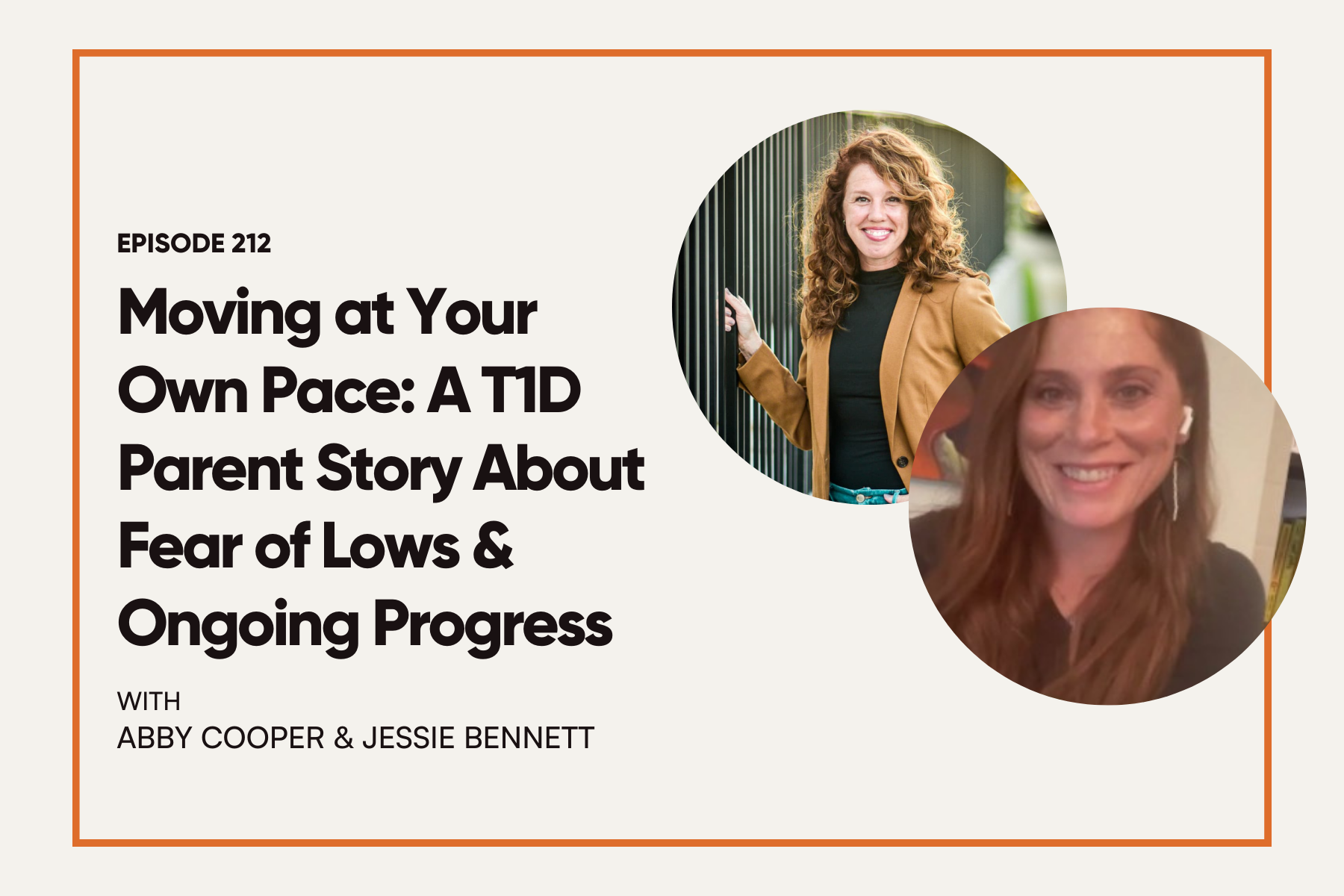
212. Moving at Your Own Pace: A T1D Parent Story About Fear of Lows & Ongoing Progress

212. Moving at Your Own Pace: A T1D Parent Story About Fear of Lows & Ongoing Progress

February 17, 2026
In this episode, Abby Cooper (Risely’s Director of Coaching and a parent of a child with type 1 diabetes) sits down with Jessie Bennett, a mom of two in California whose 13-year-old son, Samuel, was diagnosed with T1D two years ago. Jessie opens up about what the first year really felt like: survival mode, numbness, and the constant, invisible fear of low blood sugar that can hijack your body and your mind. Together, Abby and Jessie talk about why this episode is intentionally different, because the goal is not to wait until everything feels “fixed” before you get support. Jessie shares what shifted through coaching: building a simple “order of operations” toolkit, learning to slow down the spiral, and redefining progress as being able to live even when fear still shows up. WHAT WE COVER: What the first 6 to 12 months after a child’s diagnosis can feel like, and why it’s normal How fear of low blood sugar shows up physically, emotionally, and in decision-making The “invisible” anxiety parents carry, even when they look calm on the outside Why coaching is not about erasing fear, but changing how you live alongside it A practical toolkit for making decisions: insulin on board, trend, and “I have what I need to handle this” Redefining progress when you’re still in the middle, without rushing yourself to a finish line KEY TAKEAWAYS: 1️⃣ Fear is protective, but it comes with a cost. The goal is not to shame it away. It is to stop letting it run the whole day (or night). 2️⃣ Real change comes from experience, not explanation. Tools, repetition, and safety-building moments are what rewire confidence. 3️⃣ Progress you can’t measure still matters. Letting your child go play at 110, trusting the plan, and staying regulated, those wins change your whole family. WHAT’S NEXT: 💻Learn more about our T1D parent coaching. 📧Join thousands of T1Ds reading our newsletter every Tuesday: T1D tips and encouragement, straight to your inbox. Stay connected with us: Email us at hello@riseyhealth.com IG: @lauren_bongiorno | @riselyhealth TikTok: @lauren_bongiorno | @riselyhealth YT: Reclaim Your Rise SUBSCRIBE & REVIEW: If Jessie’s story helped you feel seen, especially if you’re making progress but still feel fear hanging around, subscribe and leave a review so more people can find these conversations.
211. Dating With Type 1 Diabetes: Red Flags, Green Flags, and the Truth About being “Too Much”

211. Dating With Type 1 Diabetes: Red Flags, Green Flags, and the Truth About being “Too Much”

February 10, 2026
Dating with Type 1 Diabetes can stir up questions about worth, vulnerability, and whether you are asking for too much or are too much. In this solo episode, Lauren shows up as your T1D older sister, sharing real-life insight, personal stories from her own relationship, and the conversations most people avoid when it comes to dating with diabetes. You will hear why Type 1 Diabetes does not actually make dating harder. It simply reveals compatibility faster. Lauren explains how your relationship with yourself and your diabetes shapes what you tolerate, attract, and believe you deserve. This episode breaks down the red flags to pay attention to, the green flags that truly matter, and how releasing shame can completely change your dating experience. WHAT WE COVER: Why Type 1 Diabetes acts as a stress test for emotional maturity Red flags in dating that often show up early when you live with T1D How shame around diabetes quietly impacts relationships The difference between concern, control, and true partnership Green flags that signal emotional safety and long-term compatibility Why your relationship with diabetes sets the tone for how others show up KEY TAKEAWAYS: 1️⃣ Type 1 Diabetes does not make you “too much.” It filters out the wrong people faster. It brings clarity to compatibility and emotional readiness early on. 2️⃣ The way someone responds to your diabetes often reflects how you relate to it. Confidence and self-trust naturally attract healthier dynamics. 3️⃣ Healthy relationships are built on communication, respect, and safety, not perfection. You do not need a caretaker. You deserve a partner who can meet you with empathy and maturity. WHAT’S NEXT: 💻Apply for coaching and talk to our team so you can reclaim the life you deserve with T1D. 📧Join thousands of T1Ds reading our newsletter every Tuesday: T1D tips and encouragement, straight to your inbox. 🧴Check out Healthy Sites : Post-site recovery patches designed to calm irritation, reduce visible marks, and support site recovery after pump and CGM removal. Stay connected with us: Email us at: hello@riseyhealth.com IG: @lauren_bongiorno | @riselyhealth TikTok: @lauren_bongiorno | @riselyhealth YT: Reclaim Your Rise SUBSCRIBE & REVIEW If this episode helped you feel seen, especially if you have ever worried about being “too much” while dating with T1D, subscribe and leave a review so more people can find these conversations and stop struggling alone.
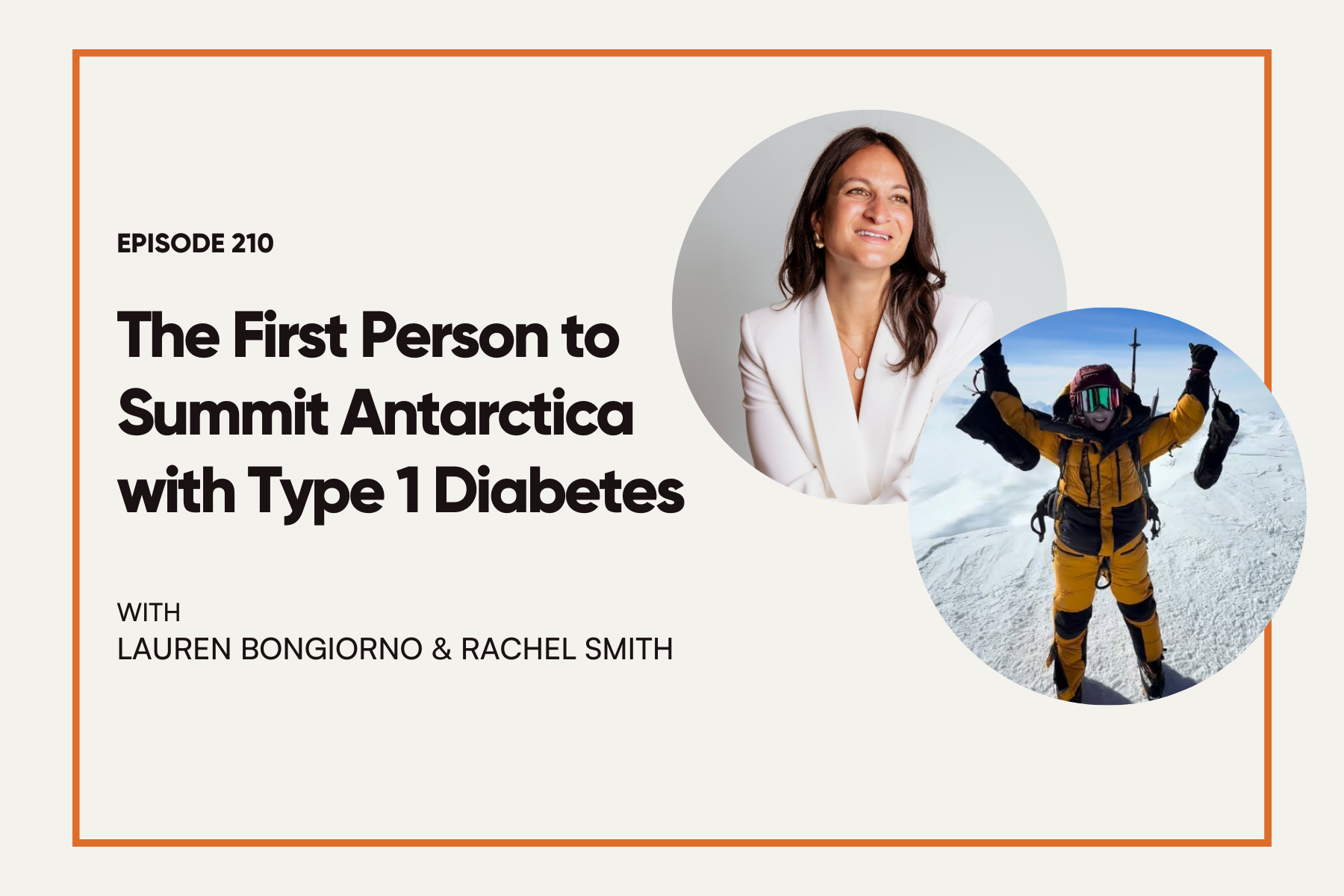
210. The First Person to Summit Antarctica with Type 1 Diabetes: Rachel Smith

210. The First Person to Summit Antarctica with Type 1 Diabetes: Rachel Smith

February 3, 2026
Rachel Smith is an OB-GYN, lifelong mountain-lover, and person with type 1 diabetes who set out to summit Mount Vinson, Antarctica’s tallest peak, in some of the harshest conditions on the planet. After climbs like Kilimanjaro and Aconcagua, she realized the biggest curiosity was not just the summit itself, but the diabetes strategy behind it: insulin safety, altitude, tech failures, and what it takes to navigate unpredictable blood sugars when you are far from help. In this episode, Rachel takes us into a 13-day Antarctica expedition (8 days on the mountain), where the sun never sets, the cold hits -50°C, and even treating a low can become complicated. You will hear what surprised her most, what she would do differently next time, and the message she wants every person with diabetes to carry with them: progress over perfection, and your goals do not have to shrink because you have T1D. WHAT WE COVER: Why Rachel chose Mount Vinson and why she decided to share the diabetes side publicly this time The realities of climbing in Antarctica: 24-hour daylight, extreme cold, and carrying everything yourself Managing T1D on Kilimanjaro (manual testing) vs. Aconcagua and Vinson (pump + CGM) What happens when diabetes tech fails at altitude and in the cold (pump alarms, sensors cutting out) How Rachel kept insulin from freezing and built in backups (including guide support) Fueling strategy on long climb days: lower-carb mornings, steady carbs during breaks, and why it mattered Safety conversations with guides: how hypoglycemia symptoms can mimic altitude sickness KEY TAKEAWAYS: 1️⃣ Your plan needs redundancy. Remote climbs demand extra supplies, backup delivery methods, and contingency plans for freezing, loss, and tech failure. 2️⃣ The environment changes everything. Altitude, cold, disrupted routine, stress hormones, and long-duration exertion can make blood sugars feel unlike your norm. That is not failure, it is data. 3️⃣ Zoom out to rebuild trust. Rachel’s CGM graphs looked more stable in hindsight than they felt in the moment, which is a reminder not to let one chaotic window define your confidence. WHAT’S NEXT: 💻Apply for coaching and talk to our team so you can reclaim the life you deserve with T1D. 📧Join thousands of T1Ds reading our newsletter every Tuesday: T1D tips and encouragement, straight to your inbox. Stay connected with us: Email us at: hello@riseyhealth.com IG: @lauren_bongiorno | @riselyhealth TikTok: @lauren_bongiorno | @riselyhealth YT: Reclaim Your Rise SUBSCRIBE & REVIEW If Rachel’s story helped you feel more capable, especially if you have been telling yourself “I cannot” because of diabetes, subscribe and leave a review so more people can find these conversations.
209. BONUS: T1D Barbie Exclusive with Pam Morrisroe

209. BONUS: T1D Barbie Exclusive with Pam Morrisroe

January 29, 2026
This bonus episode takes you behind the scenes of a moment that made many people with Type 1 diabetes feel truly seen. Lauren visits Breakthrough T1D headquarters in New York City to sit down with Pam Morrisroe and uncover how the T1D Barbie went from an idea to a global symbol of representation. Pam shares her role in bringing community voices into the process and why getting the details right was not just important, it was everything. What unfolds is a powerful conversation about visibility, confidence, and the emotional weight of representation for kids and adults living with an often invisible condition. This episode is not about perfection or optics. It is about normalizing devices, embracing difference, and shifting the narrative from hiding diabetes to owning it with pride. WHAT WE COVER: How Mattel and Breakthrough T1D partnered to create the T1D Barbie Why community input was essential in the doll’s design The intentional choices behind the CGM graph, pump number, and devices Navigating criticism and misconceptions around representation What visibility means for kids growing up with Type 1 diabetes KEY TAKEAWAYS: 1️⃣ Representation matters, especially for an invisible condition like Type 1 diabetes 2️⃣ Getting it perfect is not the goal. Getting it real is what builds confidence 3️⃣ Embracing what makes you different can change your entire relationship with T1D WHAT’S NEXT: 💻Apply for coaching and talk to our team so you can reclaim the life you deserve with T1D. 📧Join thousands of T1Ds reading our newsletter every Tuesday: T1D tips and encouragement, straight to your inbox. Stay connected with us: Email us at: hello@riseyhealth.com IG: @lauren_bongiorno | @riselyhealth TikTok: @lauren_bongiorno | @riselyhealth YT: Reclaim Your Rise SUBSCRIBE & REVIEW If this episode made you feel seen or reminded you that you do not have to hide your diabetes, subscribe and leave a review so more people with T1D can find these conversations.
LAUREN BONGIORNO

Meet your Host

I'm your host Lauren Bongiorno. I was diagnosed with T1D when I was 7 years old and now I'm the founder and CEO of Risely Health. We are nationally board certified health coaches who know that most people living with type 1 diabetes feel lost or stuck in a cycle of frustration. So we built a health coaching model that's helped thousands of people reclaim the life they deserve. If you're ready to stop struggling alone and finally feel a sense of freedom and balance, this podcast is the right place to start.

‍